Table Of Content

At the wall on the far end of the room is usually a large ceramic tile mural or painting[4] for decoration. Most often this is Mount Fuji, but it may be a general Japanese landscape, a (faux) European landscape, a river or ocean scene. On rarer occasions, it may also show a group of warriors or a female nude on the male side. Playing children or a female beauty often decorates the women's side.
What is a Japanese Sento (Japanese sauna)?
Olympic Spa offers a full range of services and experiences to complete your day of pampering. Sand bathing is believed to deliver three to four times the benefits of bathing in an onsen. From cycling tours to sand bathing, Japan's reverence for nature and wellbeing lends itself to ...
11 Things to Know Before Visiting a Japanese Bath - The Points Guy
11 Things to Know Before Visiting a Japanese Bath.
Posted: Sun, 19 Nov 2017 08:00:00 GMT [source]
Japan's Public Holidays and Long Weekends in 2024
It may be connected to the traditional love of ostentatious display in old Edo. By creating a visually playful space away from the humdrum world, they also help their customers to forget their everyday cares. Western Tokyo is dominated by the Shinjuku district, which is Tokyo's shopping, business and administrative powerhouse, full of skyscrapers.
Nagominoyu - mod bathing not far from Shinjuku なごみの湯
While this is common in Japan, a sentō is not well known to westerners. With more and more foreigners traveling to Japan, it only makes sense to get the word out about these fantastic Japanese bathhouses. The only problem is that many visitors are nervous about visiting a sento since it is required to be nude around strangers. A Japanese bath house (or sentō) has been an essential part of Japanese culture for over a thousand years.
What Amenities are Available at the Sento?
These baths are supposed to have great muscle-relaxation qualities. That is, once you get over the initial shock (wink-wink). Often you’ll see a thermometer reading next to each bath, noting how hot it is in degrees Celsius. The standard warm bath range is in the low 40s Celsius (104 Fahrenheit and up), and they’re often spiced up with shallow reclining seats, jets, or the basic benches running along the sides. But most will just keep it nearby or on a shelf at the bathing area’s entrance to dry off before leaving. These towels are much smaller than what Westerners are used to bathing with.
Are Japanese Sentos and Bath Houses Separated by Gender?
In that case, you can usually get away with a full-length towel at the very least. And of course, getting a private bath at some of Japan’s best hot springs means private baths, where all bets are off. During the Meiji period (1867–1912) the design of Japanese baths changed considerably. Since the bath now focused on hot water instead of steam, windows could be added, and the bathing area became much brighter. The only difference between these baths and the modern bath was the use of wood for the bathing area and the lack of faucets. In Japan, it is customary to remove one's shoes when entering a private home.
Must-Try Japanese Wellness Experiences
Don’t yell across the bath, or splash around in the water. A good rule to have proper Japanese Bath House Etiquette is to imagine yourself in a flooded library. Do not enter the onsen if you have any cuts or open wounds. Onsens are nudity-friendly places, so don’t be shy about taking all your clothes off. And finally, remember to be respectful of other people using the onsen. That means no splashing, no loud talking, and no diving.

Bath Culture In Japan: What Every Visitor Should Know Ahead Of Time
The separating wall between the men and the women side is also about 1.5 m high. The ceiling may be 4 m high, with large windows in the top. On rare occasions, the separating wall also has a small hole.
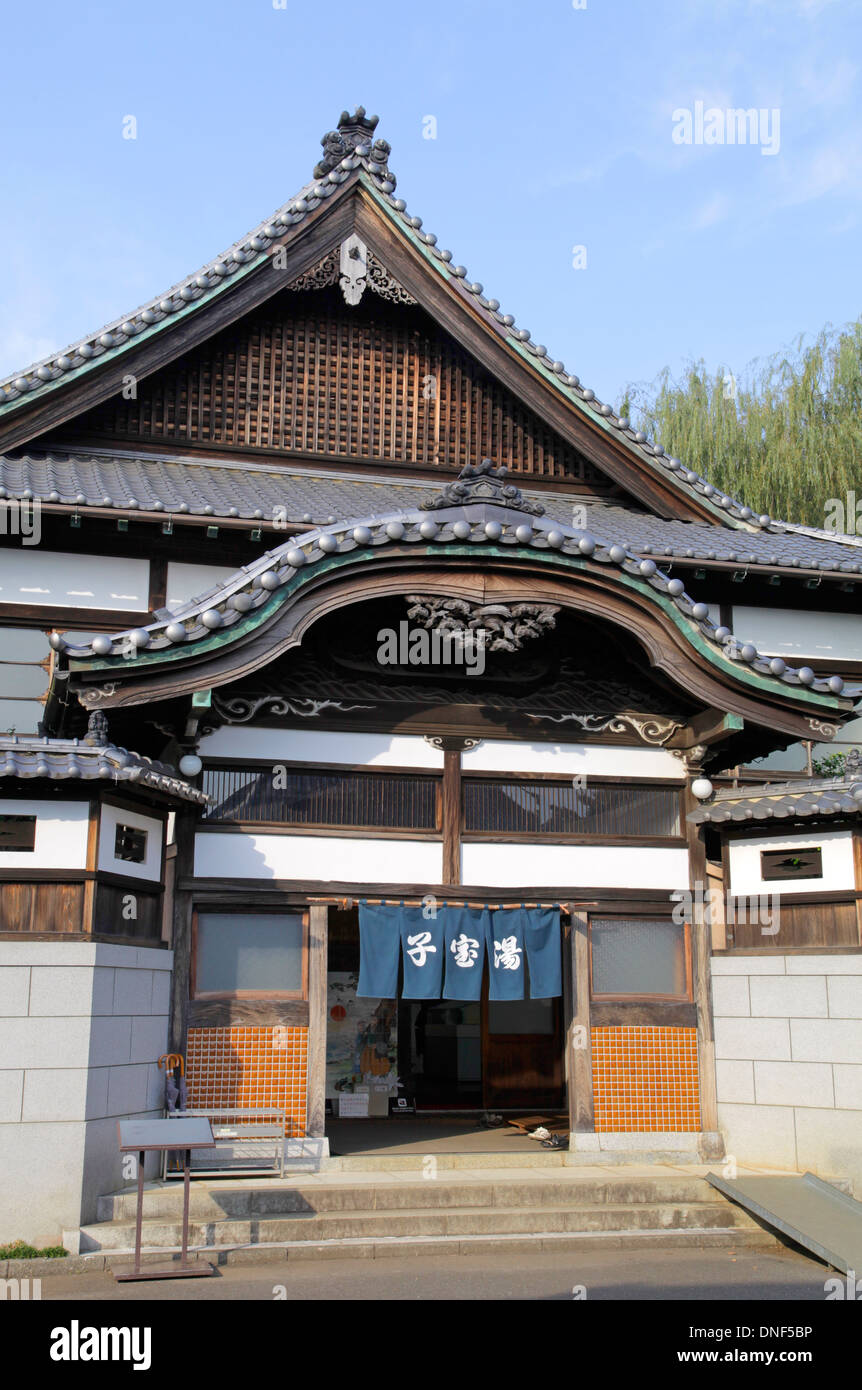
Built in 1930, Inari-Yu is a timeless Japanese bath where you can soak in the warm waters while admiring a painting of Mt. Fuji on the wall. The main things to remember are no bathing suits, wash beforehand, and keep your towel out of the tub. Sentos are a place for conversation and socializing (although not loud ones), and not quite like a Japanese spa house you may be thinking of. However, if you aren’t with a friend and you don’t speak Japanese, chances are you will be conversing with no one.
From early times large Buddhist temples would build structures within their precincts where local people could take steam baths for free. The goal of these bathhouses was as much about cleanliness as spreading Buddhism. No tattoos - Jakotsuyu above is a rare exception to this rule. Tattoos may be fashionable now, but traditionally in Japan they are the mark of underworld (read "criminal") characters, and it will take a long time before this perception changes. Central Tokyo offers a myriad of big-city delights, from Tokyo shopping to Tokyo museums to Tokyo sightseeing.
One bath house in Japan let me go in even without concealing my tattoos. And are often seen by the typical Japanese person, as a mark of being in the Yakuza so entering with them is not proper Japanese Bath House Etiquette. That being said there are still a few ways to visit the Japanese bath with tattoos.


No comments:
Post a Comment