Table Of Content
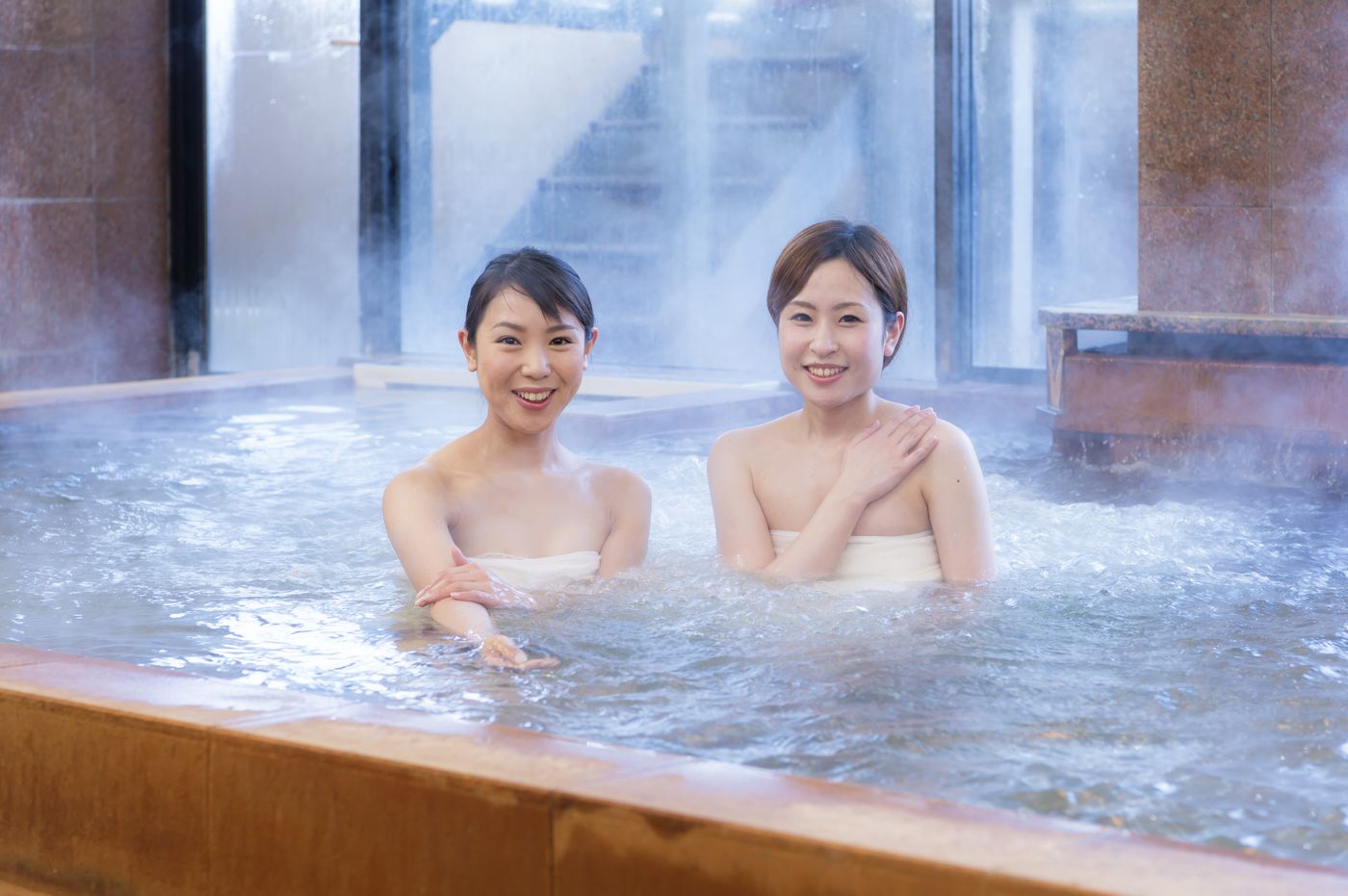
Wealthy merchants and members of the upper class soon also included baths in their residences. Chilly Chicago nights are welcome if it means a visit to this opulent bathhouse in the style of Ottoman, Greek, and Roman traditions, occupying a restored factory built in 1902. For true decadence, opt for the wine experience, where you’ll be submerged in an antique Venetian well filled with tempranillo while simultaneously enjoying a craniofacial massage.
Komaeyu Public Bathhouse / Schemata Architects + Jo Nagasaka - ArchDaily
Komaeyu Public Bathhouse / Schemata Architects + Jo Nagasaka.
Posted: Mon, 17 Jul 2023 07:00:00 GMT [source]
Experiencing an Onsen the Rules of a Japanese Bath Houses
Being naked in front of strangers is the stuff of nightmares for many people. But in Japan, being naked with strangers is part of the cultural experience of visiting a Japanese bath. I was extremely self-conscious the first time I visited a Japanese bath. Now it's one of my favorite parts of visiting Japan, because it's relaxing and provides a unique window into Japanese culture.

Traditional Japanese Bath Houses – 7 Tips for First-Timers
These lead to the datsuijo (脱衣場, changing room), also known as datsuiba for the men and women respectively. The men's and the women's sides are very similar and differ only slightly. A Japanese public bath is quite different from a sauna, and not just because of the culture. In a public bath, you are usually required to be naked, while in a sauna you can wear a bathing suit. In a public bath, you will sit on a small stool and wash before getting into the bath, while in a sauna you will just sit or lie down. The temperature in a public bath is also usually hotter than in a sauna.
Hotel Reward Programs
Children and pregnant women, in particular, should exercise caution. In the past, when bathtubs were not typical features of the average home, it was normal for people to go to a sento to take baths. Even now, some people regularly head to a sento when they want to stretch out in a spacious bathtub, or because they enjoy talking with the other patrons. The Japanese bathhouses are called Sento and they are cultural treasures that have been part of the cultural embodiment in the life of Japanese people for centuries.
Tonic water: once the beating heart of Tokyo neighbourhoods, sento bathhouses are being redefined for a new ... - Condé Nast Traveller
Tonic water: once the beating heart of Tokyo neighbourhoods, sento bathhouses are being redefined for a new ....
Posted: Wed, 29 Nov 2023 08:00:00 GMT [source]
Every day, people from all over the country head to the sentō to enjoy their bath. By following the advice in this guide, you can make the most of your time at a Japanese bath house and look like a natural while you’re at it. Take the time to immerse yourself in Japanese culture and enjoy the communal bathing atmosphere.
Daikokuyu in Adachi, Tokyo, is known as the “king of sentō.” The front entrance is no longer used and customers go around to the right-hand side to enter. During the Edo period communal tubs were generally housed in dark, almost windowless rooms with low entranceways to prevent steam from escaping. Use this map of Tokyo to locate each bath house by pasting its name in the larger map's search box. South Tokyo, on Tokyo Bay, is nearly all reclaimed land that is home to some of the newest and most cutting-edge facilities that Tokyo has to offer.
Traditional Japanese bath houses, or sento, are a bit of a rarity in Japan these days, but onsen, or hot springs, are alive and well. When you get down to it, they’re almost the exact same thing. They both involve stripping down in a change area, washing yourself, and letting your troubles melt away. Unlike hot spring facilities, public baths generally do not include soap or towels in the price. You will need to pay extra to rent a towel and to purchase cleanser.
Towel Off And Head Back To The Dressing Room
Western criticisms led the Meiji government to ban mixed bathing (more successfully than the Edo shogunate) and to order that sentō should have a more open structure. According to a document of the time, the first public bathhouse in Edo (the former name for Tokyo) was built in 1591 by a man named Ise Yoichi. It was located by a bridge near what is now the Bank of Japan headquarters in central Tokyo. The sentō’s success led to the establishment of similar facilities. A decade later, there were bathhouses in every part of the city.
Bathing Manners in Japan - How to Enjoy Hot Springs and Public Baths
Once you’re inside, you’ll need to strip down completely and wash your body before getting into the baths. There will be a small stool and shower head in each cubicle for you to use. Make sure you rinse off all the soap before entering the shared baths. Sento were local establishments where locals or foreign visitors could bathe in communal tubs or steam rooms. Since having a tub at home was rare, bath houses served a large number of people.
(This was the case at both hotel baths I visited.) At larger locations, the baths may be spread across multiple rooms, or some may be inside while others are outside. After entering through the curtain, you'll find yourself in a changing area. There'll be baskets or lockers for your clothing, large towels and other belongings. If you use a locker, the key will likely be attached to a wristband so you can take the key with you in the bath. If you have a very small tattoo, you can try to cover it with a bandage, but even then I'd recommend visiting baths that explicitly allow tattoos to avoid discomfort and potential disappointment. The home has more than an acre of greenspace and also features a guest house with a private drive, the Sun reported.

The act of bathing is an important part of Japanese culture, and bath houses date back centuries. Although myths about feudal Japan may imply that many people in the past, especially common folk, were always dirty, people of all social classes bathed daily. Sentō (銭湯) is a type of Japanese communal bathhouse where customers pay for entrance. Often overlooked for Japan's famous hot springs, public bathhouses offer a window into everyday life in Japan. These baths are often more affordable and accessible than hot springs, making them an easy way to experience Japanese bathing culture. That distinction doesn’t diminish Onsen’s charm, however, which aims to feed both your soul and your body.
It’s nearly impossible to use your phone when enjoying them (and often not allowed). Next time you’re in need of a digital detox and some relaxation time, seek out one of these urban sanctuaries. A serene zone in bustling Sacramento, Asha is a fully coed space designed for unplugging and unwinding, with staff committed to keeping the volume level calm—they ring a gong if you get too loud. Bathhouse amenities include a soaking pool, cold plunge, sauna, and lounge with add-ons, including massage, yoga, and skin care products. Several packages are available, including monthly unlimited passes and a “Personal Day of Retreat,” which comes with juice, a yoga class, and use of the bathhouse.
I had an incredible day as I soaked in every moment of my bathhouse experience in Aomori. (pun intended) I was fresh off a plane after a whirlwind 48 hours in Tokyo. Not to be outdone, bathhouse proprietors are sprucing up their standard sentō to take on the competition. This latter switch from platforms to reception desks is helping to attract more female customers. As they add fresh touches to existing locations, designer sentō have come to be characterized by their blend of tradition and innovation. The start of the Meiji era (1868–1912) changed all this.
The first mentioning of a commercial bathhouse is in 1266 in the Nichiren Goshoroku (日蓮御書録). These mixed-sex bath houses were only vaguely similar to modern bathhouses. After entering the bath, there was a changing room called datsuijo (脱衣場). There the customer also received his/her ration of hot water, since there were no faucets in the actual bath. The entrance to the steam bath was only a very small opening with a height of about 80 cm, so that the heat did not escape. Due to the small opening, the lack of windows, and the thick steam, these baths were usually very dark, and customers often cleared their throats to signal their position to others.


No comments:
Post a Comment